
Are Men “So Back?”
On masculinity, fantasy, and Heated Rivalry

To the absolute surprise of no one familiar with my interests — soap operas, Hollywood melodramas — I fell hard for Heated Rivalry. I’m even reading the books now, and I fear they’re going to ruin dating for me. I’ve already deleted every hookup app from my phone… I need romance in 2026. Maybe we all need it. Maybe that’s all we have left to look forward to. Well, that and Jupiter entering Leo on June 29th, 2026!
For my final piece of writing for the year, I wrote about Heated Rivalry, masculinity, and fantasy for Them.
Are Men “So Back?”: Notes on Masculinity’s Return to Gay TV
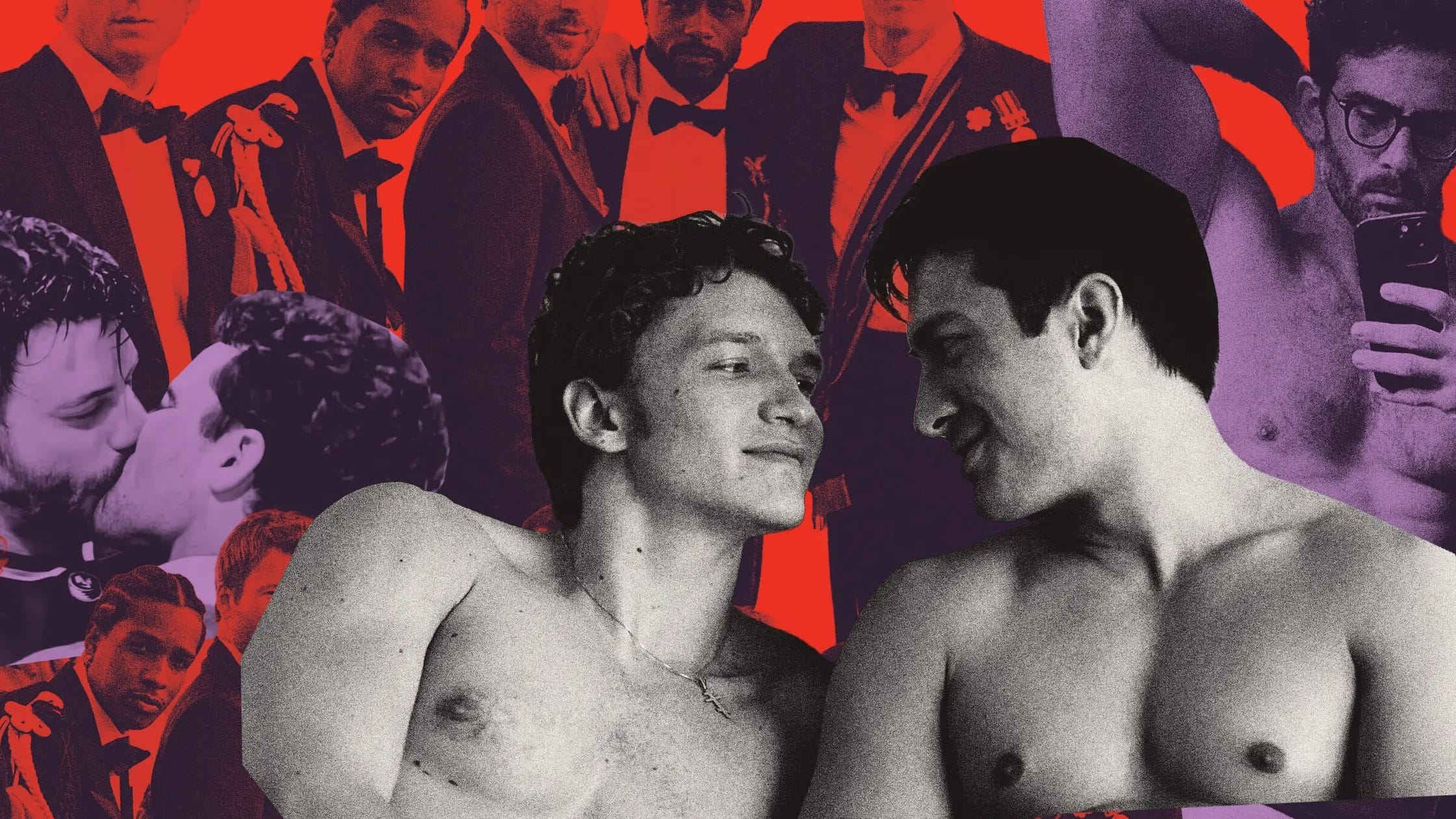
In 2025, men were the word on the street. The need to “center men” became a talking point after Kamala Harris didn’t go on a bunch of podcasts to win the election and losers like JD Vance aired grievances about how white men have to apologize for being white and men these days. Just this week, EEOC Chair Andrea Lucas, sounding like a ‘90s infomercial from a lawyer that will definitely screw you out of money, wrote on X this week, “Are you a white male who has experienced discrimination at work based on your race or sex? You may have a claim to recover money under federal civil rights laws.”
But lest you think we’re harkening back to an era of “the forgotten man” nonsense, the concept of man has also been embraced by the cultural conversation at large. Gays willingly watched a show about the military that wasn’t an adaptation of Private Benjamin. Everyone is horny for closeted hockey players. On the GQ Men of the Year red carpet, Wet Leg frontwoman Rhian Teasdale wore a “Men Are So Back” shirt. Vanity Fair‘s 2025 Hollywood issue featured an all-male cover shoot that included Michael B. Jordan, Paul Mescal, Glen Powell, Jonathan Bailey, and other current leading men.
It appears masculinity is back, but it’s not the kind that conservatives are clamoring for. “The Internet Boyfriends were a phenomenon in part because of their gender. (Consider that we don’t talk about Internet Girlfriends),” says Global Editorial Director of Vanity Fair Mark Guiducci about the cover in a comment over email. “We expected — even intended — for it to stir up conversation, but ultimately our message was that masculinity does not need to be toxic.” The last time men covered the Hollywood Issue, it included Tom Cruise, Brad Pitt, Jack Nicholson, and Harrison Ford. Not exactly the men you want to drink matcha and discuss Booker Prize finalists with. This year’s Hollywood Issue cover also includes Jonathan Bailey, the first out gay man to land People‘s Sexiest Man Alive and the year’s top-grossing actor. It seems like leading men these days should be kind, genuine, and also rock slutty little glasses.
Read more on Them.
This nails the distinction between masculine visibility and toxic masculinity. The Vanity Fair cover is telling because it's picking guys willing to be vulnerable and articulate rather than just stoic. Watched similiar shifts in korean dramas this year where traditionally "strong" male leads are becomig more emotionally expressive without losing appeal.
Men are back when they stop pretending. Real beats performative every time.